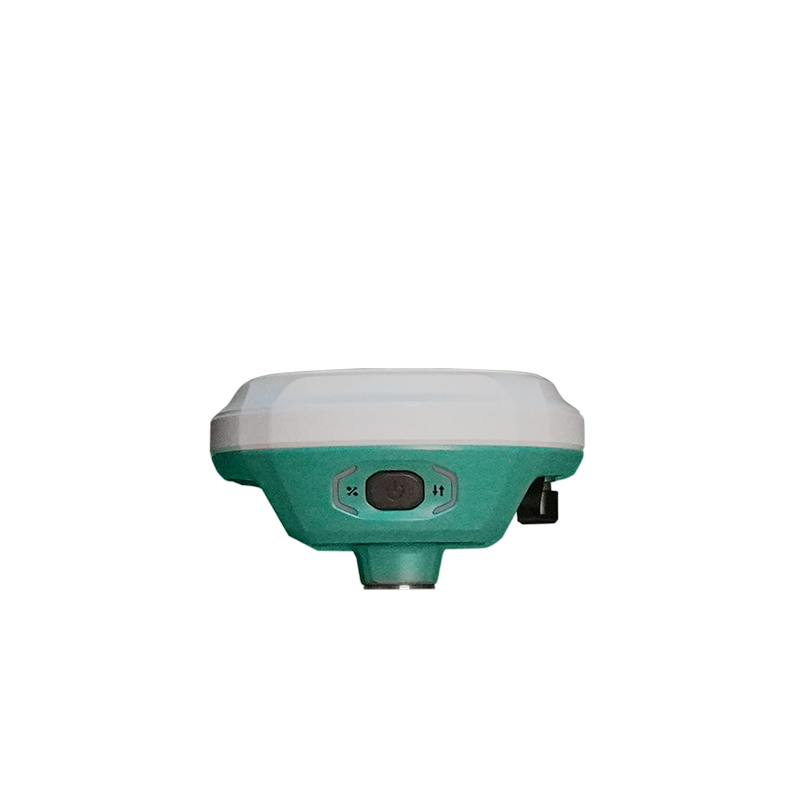
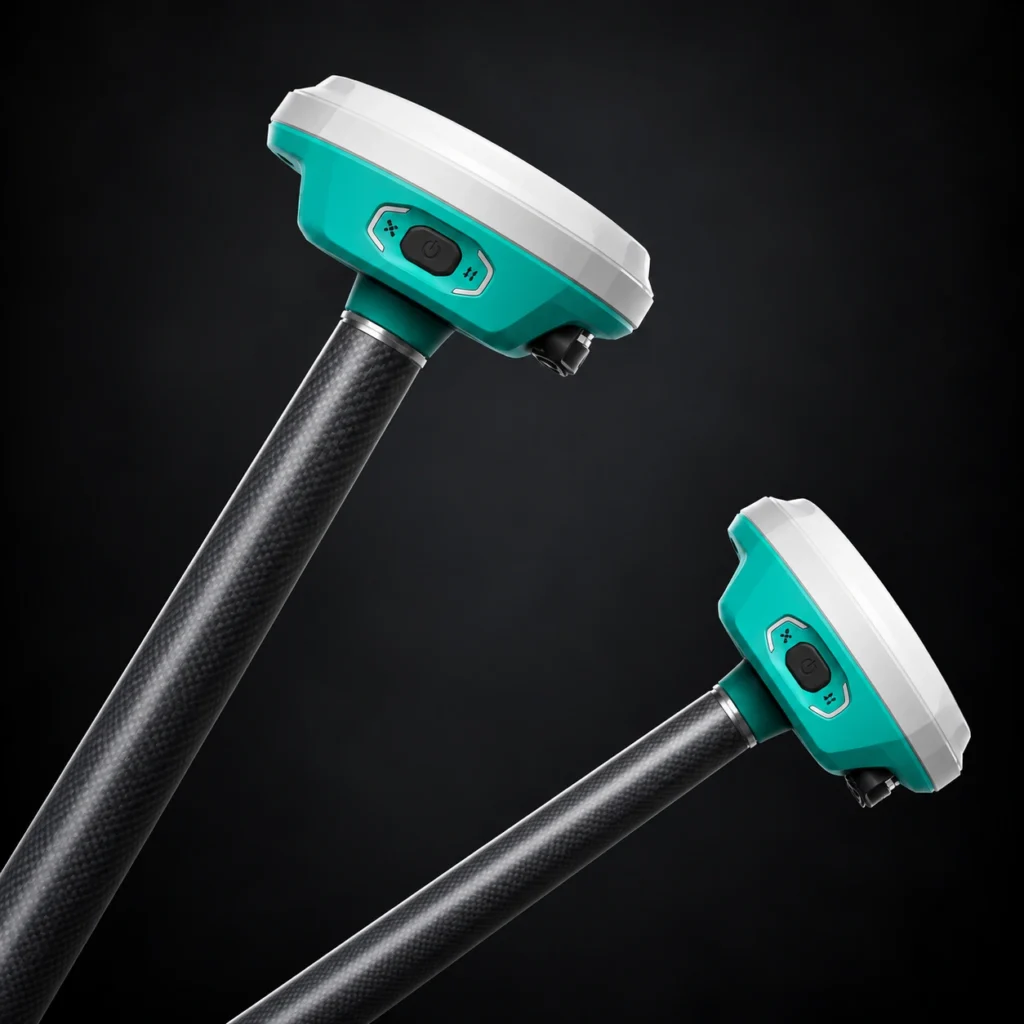
The STEC SV1 is a lightweight, high-performance GNSS RTK receiver featuring dual cameras for augmented reality (AR) stakeout and a calibration-free tilt senso
STEC SV1 SmartView is engineered to track a massive number of signals across all major GNSS constellations, delivering exceptionally fast fixing speeds even in challenging environments such as dense tree cover, urban canyons, and areas beside tall buildings.
MEASURE AT ANY ANGLE
Reach more points without forcing the pole upright. With STEC SV1’s integrated IMU technology, EZtilt allows surveyors to measure points with the pole tilted up to 60°, making difficult-to-reach locations faster and easier to survey. Less repositioning. More productivity.
S-LINK — GO FURTHER. STAY CONNECTED.
Powered by a 2W internal UHF Rx/Tx radio and efficient S-LINK protocol, the STEC SV1 delivers a stable, secure, and long-range RTK data link of up to 15 km, giving surveyors the freedom to work across larger and more demanding sites
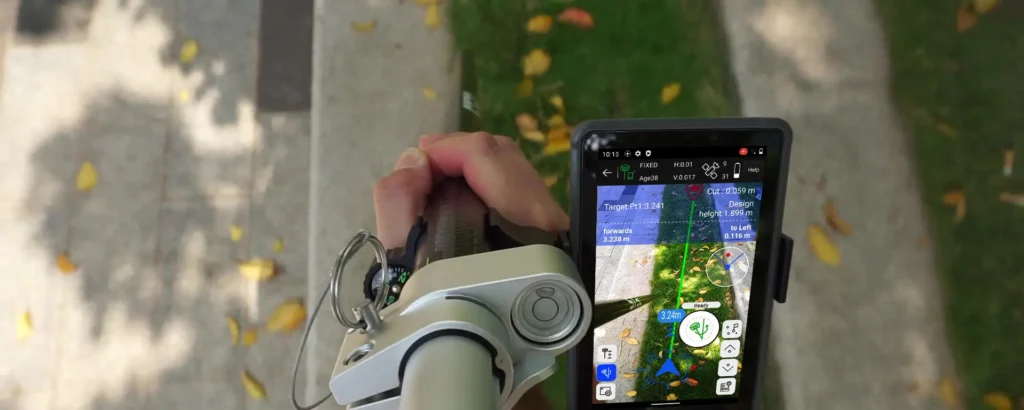
FUSION AR FROM GENERAL DIRECTION TO PRECISE GUIDANCE.
STEC SV1 intelligently combines the controller camera and receiver camera to guide you toward your stakeout point. Start with a broad visual direction, then seamlessly switch to detailed receiver-camera guidance as you approach the target. Less searching. Less guesswork. Faster stakeout.
SATELITE PERFORMANCE
1,408
channels
8+1
RTK accuracy (mm)
21
frequencies
MAIN BENEFITS
Multi-Constellation Satellite Tracking
Supports GPS, GLONASS, BeiDou, Galileo, and QZSS, helping improve satellite availability across different environments.
Augmented-Reality (AR) Stakeout
Combines receiver and controller cameras to visually guide the surveyor toward a design point, making stakeout easier to follow.
Long Battery Operation
The manufacturer lists up to 20 hours in static mode or 15 hours in rover mode, depending on the battery version and operating conditions
Rugged IP68 Protection
Designed to resist dust and water; the manufacturer states that the receiver can withstand immersion at 1 m depth for at least one hour under specified conditionS
Improved Field Productivity
Combining tilt measurement, AR guidance, and integrated radio can reduce repetitive setup and pole-positioning tasks.
STEC SV1
Engineered for Accurate Surveying
GET IN TOUCH
Contact Surveytech today for product inquiries, live demonstrations, and exclusive offers.